


“How Innovations in Biological Control Agents Are Shaping the Future of Crop Protection”
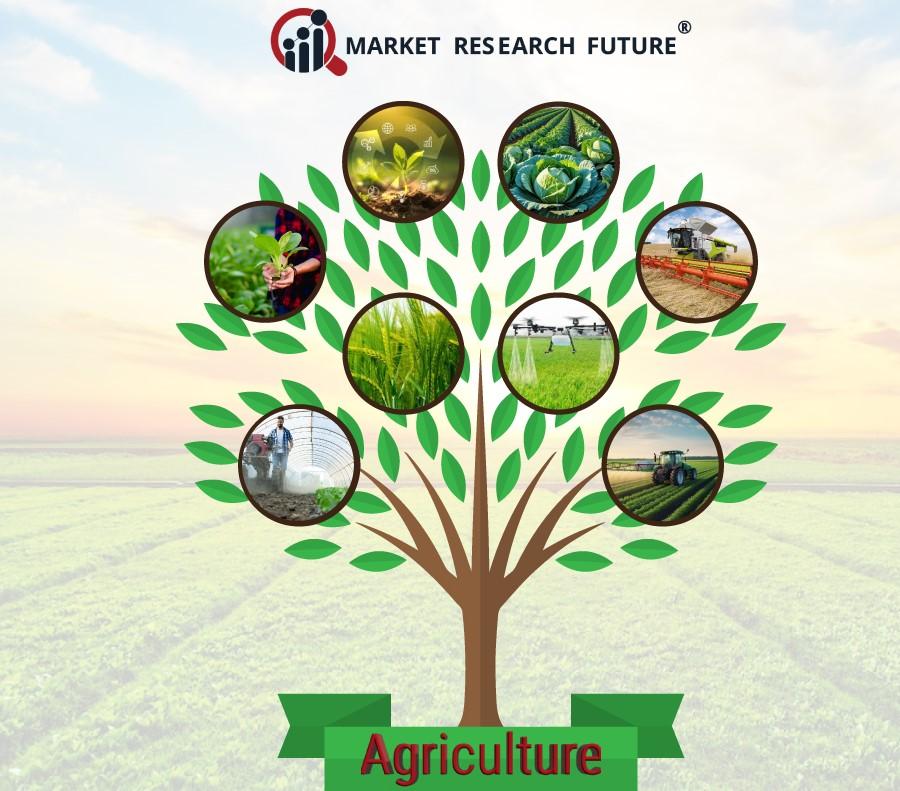
The increasing pressure on global food systems has intensified the need for sustainable agricultural practices. Among the most promising approaches addressing this challenge is biological control, a method rooted in ecological balance rather than chemical intervention. With the Biological Control Market valued at over USD 6 billion in 2024, its rapid expansion reflects a global reassessment of pest management strategies.
Biological control leverages nature’s own mechanisms by introducing beneficial organisms that suppress pest populations. This approach reduces dependency on chemical pesticides, which have long been associated with environmental contamination and health risks. As resistance to chemical treatments becomes more widespread, biological pest control solutions offer a resilient and adaptive alternative.
Market forecasts point to strong long-term growth, with industry value expected to reach USD 14.15 billion by 2035. This expansion is driven by a compound annual growth rate of 7.71 percent during the forecast period. Such growth signals a structural shift rather than a temporary trend, highlighting the increasing confidence of farmers and agribusiness stakeholders in biological solutions.
One of the most compelling drivers is regulatory change. Governments worldwide are enforcing stricter pesticide regulations and encouraging sustainable inputs through subsidies and awareness programs. These policies are accelerating the transition toward sustainable pest management, particularly in regions where chemical overuse has led to ecological imbalance.
Innovation is another catalyst shaping market evolution. Advances in biotechnology and microbiology have improved the effectiveness and reliability of biological agents. Enhanced formulations and delivery systems now allow these solutions to perform consistently across varying climatic conditions. This progress has helped overcome earlier limitations, making natural crop protection more accessible to large-scale producers.
Consumer preferences are also influencing adoption. The growing demand for clean-label and organically produced food has encouraged farmers to reduce chemical residues. Biological control methods support these market demands by enabling compliance with organic standards while safeguarding crop productivity.
Beyond agriculture, biological control is finding applications in forestry, urban pest management, and greenhouse cultivation. These diverse use cases expand the market’s reach and create opportunities for tailored solutions. As awareness grows, adoption is expected to increase across both traditional and emerging sectors.
The future outlook remains optimistic. Continuous research, favorable policy environments, and increasing awareness of ecological responsibility are expected to drive sustained growth. As farming systems evolve to meet environmental and economic challenges, the biological control industry is poised to become a cornerstone of global pest management strategies.
Table of Contents
- Executive Summary
- Market Introduction
- Market Dynamics
- Market Segmentation
- Regional Analysis
- Competitive Landscape
- Future Outlook
FAQs
What is the projected market size for the Biological Control Market in 2035?
The market is projected to reach 14.15 USD Billion by 2035.
What is the expected CAGR for the Biological Control Market during the forecast period 2025 - 2035?
The expected CAGR for the Biological Control Market during 2025 - 2035 is 7.71%.
Which companies are considered key players in the Biological Control Market?
Key players include BASF SE, Syngenta AG, Bayer AG, FMC Corporation, and Valent BioSciences LLC.
Discover More Research Reports by Market Research Future:

 English
 Arabic
 French
 Spanish
 Portuguese
 Deutsch
 Turkish
 Dutch
Dutch
 Italiano
 Romaian
 Portuguese (Brazil)
 Greek
Greek