


Evolving Saas Based SCM Market Revenue Models Supporting Scalable, Predictable Innovation Globally
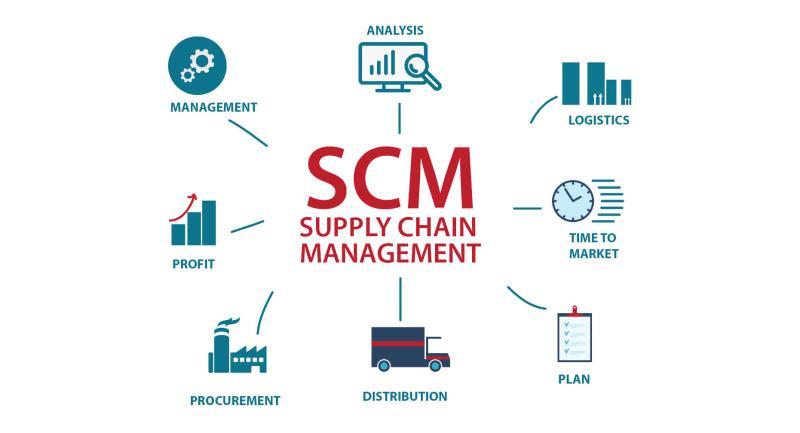
The Saas Based SCM Market Revenue model is evolving from perpetual licenses and heavy customization toward recurring, value‑aligned structures. Most providers now rely on subscription pricing—per user, per site, or based on transaction volumes and modules consumed. Tiered bundles allow customers to start with core capabilities and upgrade to advanced analytics, control towers, or multi‑enterprise collaboration as they mature. This approach creates predictable revenue streams for vendors and clearer budgeting for customers, while aligning incentives around ongoing product innovation and adoption rather than one‑time implementation milestones.
Usage‑based and outcome‑oriented models are gaining traction in certain segments. For example, transportation‑management or logistics‑marketplace modules may charge per shipment or per optimized lane. Some providers experiment with gain‑share arrangements tied to cost savings, service improvements, or emissions reductions, though these require robust baselines and measurement frameworks. Implementation, integration, and change‑management services remain important revenue components, particularly in large enterprise projects. As platforms become more modular and composable, partners—system integrators, BPOs, and niche consultancies—play larger roles, with revenue‑sharing agreements that reflect joint value creation.
Ecosystem‑driven revenues are an important emerging stream. App marketplaces and partner networks allow third‑party developers to offer specialized analytics, connectors, or vertical extensions on top of core SCM platforms. Platform providers typically take a share of these revenues, while benefiting from increased stickiness and innovation. Data‑monetization opportunities—such as anonymized benchmarks or risk‑insight services—are being explored carefully, with attention to privacy and competitive sensitivities. Over time, successful SaaS SCM vendors may resemble ecosystem orchestrators, generating revenue from both core subscriptions and ancillary services built around their networks.
Looking forward, sustainable Saas Based SCM Market Revenue will depend on delivering demonstrable business value and maintaining customer trust. As buyers become more sophisticated, they will scrutinize total cost of ownership—licenses, integration, training, and change costs—against quantifiable benefits in inventory turns, service levels, logistics costs, and risk mitigation. Vendors that provide transparent pricing, flexible scaling options, and strong success‑management support will foster long‑term relationships and expansion opportunities. In a competitive, rapidly evolving market, the combination of recurring revenue, ecosystem partnerships, and outcome‑oriented value propositions will underpin resilient growth.
Top Trending Reports:
GCC Artificial Intelligence (AI) Market

 English
 Arabic
 French
 Spanish
 Portuguese
 Deutsch
 Turkish
 Dutch
Dutch
 Italiano
 Romaian
 Portuguese (Brazil)
 Greek
Greek