


Emerging IMSI Catcher Market Opportunities In Modernization, Compliance, And Defensive Technologies
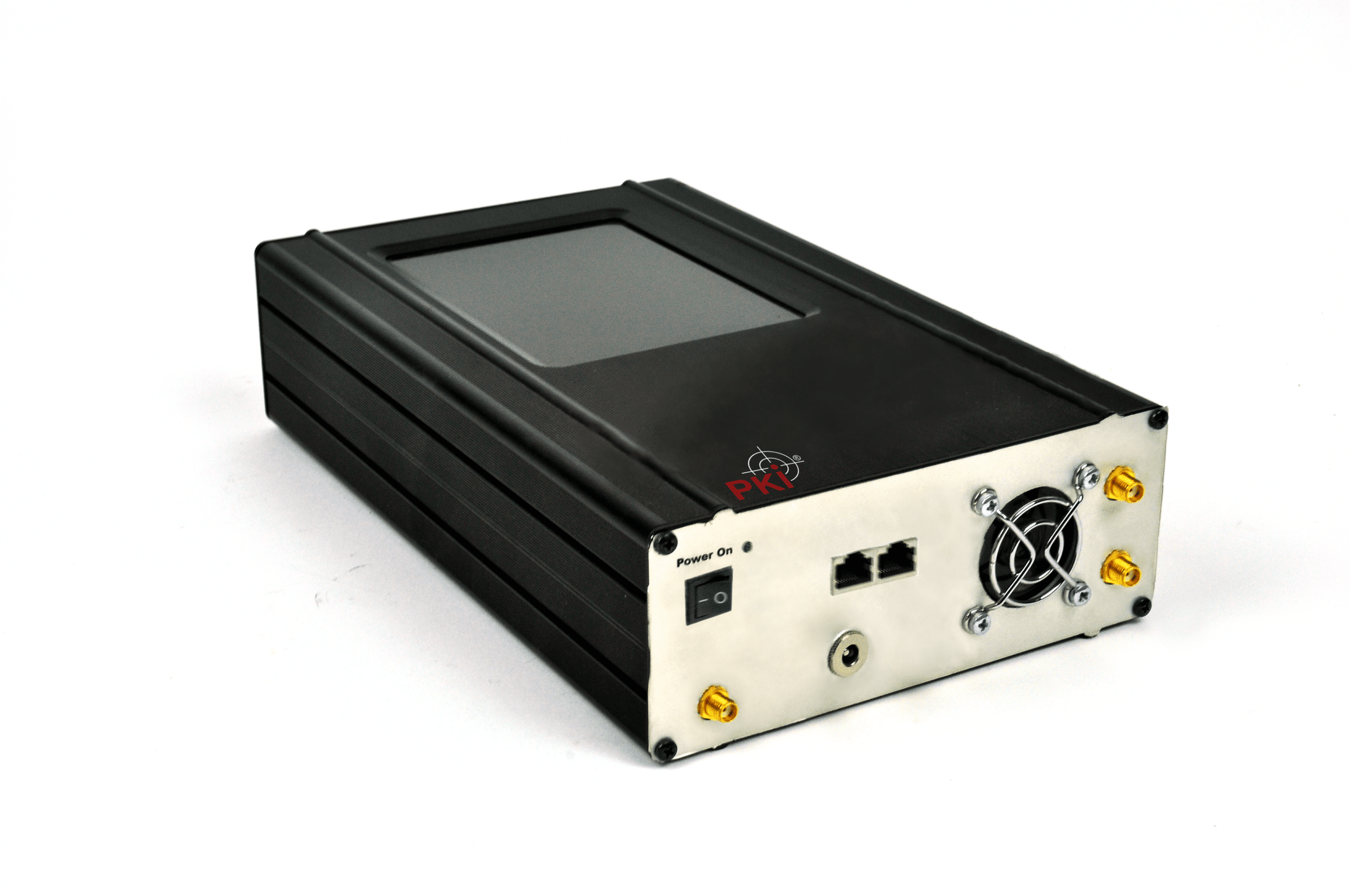
Within a tightly regulated environment, IMSI Catcher Market Opportunities primarily relate to modernization, integration, and support for lawful, transparent use. Many agencies operate legacy equipment designed for older network generations and limited governance requirements. Upgrading to platforms that handle multi‑band 4G/5G environments, provide robust audit trails, and integrate with case‑management and lawful‑intercept systems represents a key opportunity for vendors. Training services, simulation environments, and policy‑aware operational playbooks further add value, helping customers align technical capabilities with legal and ethical obligations.
Another opportunity lies in solutions that explicitly support compliance and oversight. Features such as fine‑grained access controls, dual‑control mechanisms for sensitive operations, automated minimization of non‑relevant data, and comprehensive reporting can help agencies demonstrate adherence to court orders, internal policies, and external audits. As parliaments, courts, and regulators demand clearer accountability for the use of powerful surveillance tools, systems designed with “compliance‑by‑default” become more attractive. Vendors can also assist customers in conducting privacy‑impact assessments and aligning operations with international human‑rights guidance, providing consulting and documentation beyond pure technology.
Adjacent to traditional IMSI Catcher Market Opportunities is the growing field of defensive and detection technologies. Organizations concerned about unauthorized use of IMSI‑catcher‑like tools—governments, critical‑infrastructure operators, and large enterprises—are exploring network‑based anomaly detection, RF‑environment monitoring, and handset‑level warning mechanisms. Some vendors that historically focused on offensive capabilities are expanding portfolios to include counter‑surveillance and network‑assurance products, recognizing that robust defenses support overall trust in mobile ecosystems. These defensive tools can also inform policy debates by providing empirical data on attempted abuses, though they must be designed carefully to avoid exposing sensitive information.
Finally, as telecom networks virtualize and adopt cloud‑native architectures, opportunities emerge for software‑centric capabilities that interface with standardized lawful‑intercept functions and network‑analytics platforms. Vendors that can translate experience with legacy radio‑frequency tools into compliant, virtualized solutions—aligned with 5G and future standards—may find roles in next‑generation network‑security ecosystems. However, given the sensitivity of the domain, growth will remain conditional on strong governance, export controls, and ongoing dialogue between technology providers, regulators, and civil‑society stakeholders.
Top Trending Reports:

 English
 Arabic
 French
 Spanish
 Portuguese
 Deutsch
 Turkish
 Dutch
Dutch
 Italiano
 Romaian
 Portuguese (Brazil)
 Greek
Greek