


Pinpointing Progress: Driving the Indoor Positioning Navigation System Market Growth
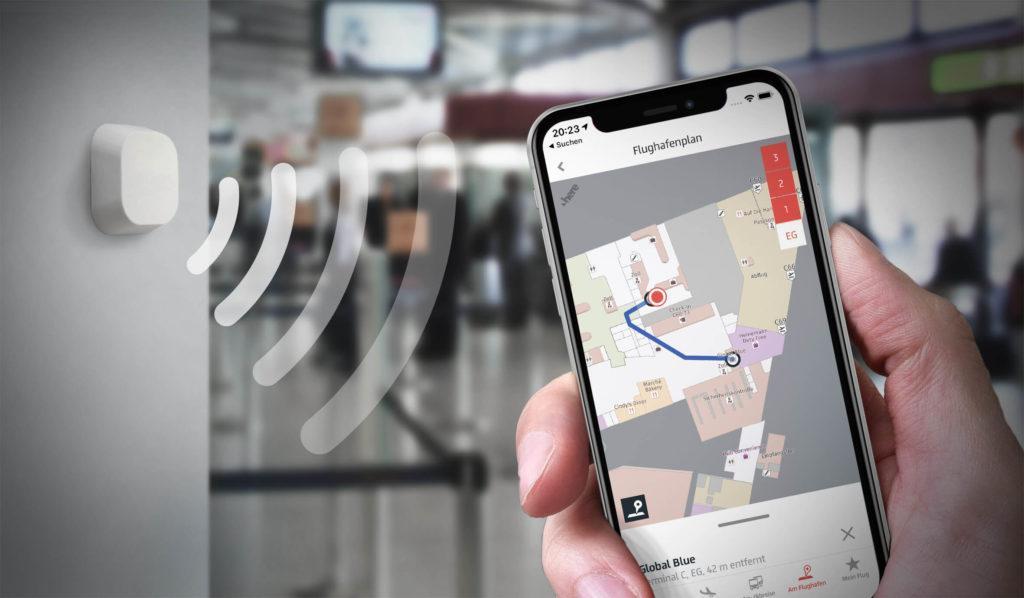
The Indoor Positioning Navigation System (IPS/IPS) market is experiencing significant growth, primarily fueled by the escalating demand for precise location-based services within confined spaces where traditional GPS proves ineffective. This market expansion is a direct response to the pervasive digitalization across various industries and the increasing necessity for real-time asset tracking, enhanced operational efficiency, and personalized user experiences inside buildings. From retail malls optimizing customer journeys to healthcare facilities streamlining asset management, the ability to accurately locate objects and individuals indoors offers profound strategic advantages. Understanding the core drivers behind this rapid growth is crucial for industry players to capitalize on emerging opportunities and innovate effectively. For a deeper dive into the factors fueling this expansion, the Indoor Positioning Navigation System Market Growth report provides comprehensive insights into market dynamics and future projections globally.
A primary catalyst for IPS market growth is the widespread adoption of smartphones and other smart devices, which often contain the necessary sensors (e.g., accelerometers, gyroscopes, magnetometers) and connectivity (Wi-Fi, Bluetooth) to act as client devices for indoor positioning. The burgeoning e-commerce sector and the associated logistics and warehousing demands are driving the implementation of IPS for optimizing inventory management, guiding autonomous vehicles, and tracking personnel in vast fulfillment centers, significantly boosting productivity. Furthermore, the increasing focus on worker safety and efficiency in industrial environments, particularly within large factories and mines, necessitates IPS for real-time location tracking, emergency response coordination, and geofencing to prevent accidents. The growing trend of smart buildings and smart cities also integrates IPS as a fundamental layer to manage complex infrastructures and provide location-aware services to occupants.
However, despite the robust growth, several factors present challenges to the sustained expansion of the IPS market. The absence of a universal standard for indoor positioning technologies leads to fragmentation and can complicate interoperability between different systems, increasing deployment complexities. The high initial capital expenditure required for installing the necessary hardware infrastructure, such as BLE beacons or UWB anchors, can deter small and medium-sized enterprises (SMEs). Moreover, concerns regarding data privacy and the ethical implications of tracking individuals in real-time, particularly in commercial or public spaces, necessitate robust regulatory frameworks and transparent user consent mechanisms. The technical challenge of achieving consistently high accuracy and reliability across diverse indoor environments, which often suffer from signal interference and multipath effects, also remains a significant hurdle for widespread adoption and consumer trust.
Looking ahead, the IPS market is poised for continued robust growth, propelled by ongoing technological advancements and evolving digital transformation initiatives. The miniaturization and cost reduction of sensor hardware, coupled with the development of more sophisticated fusion algorithms combining data from multiple sources, will enhance the accuracy and reduce the deployment costs of IPS solutions. The integration of IPS with emerging technologies like Artificial Intelligence (AI) and Machine Learning (ML) will enable predictive analytics for foot traffic patterns, optimized resource allocation, and highly personalized location-based services. Furthermore, the expansion into new vertical applications, such as large-scale events, cultural institutions, and educational campuses, where enhanced navigation and targeted information delivery can significantly improve user experiences, will provide immense untapped growth potential, solidifying IPS as a critical component of modern connected environments.
Explore More Like This in Our Regional Reports:
Japan Artificial Intelligence (AI) Market

 English
 Arabic
 French
 Spanish
 Portuguese
 Deutsch
 Turkish
 Dutch
Dutch
 Italiano
 Romaian
 Portuguese (Brazil)
 Greek
Greek