


Propelling Progress: Understanding Dynamics of Managed Print Services Market Growth
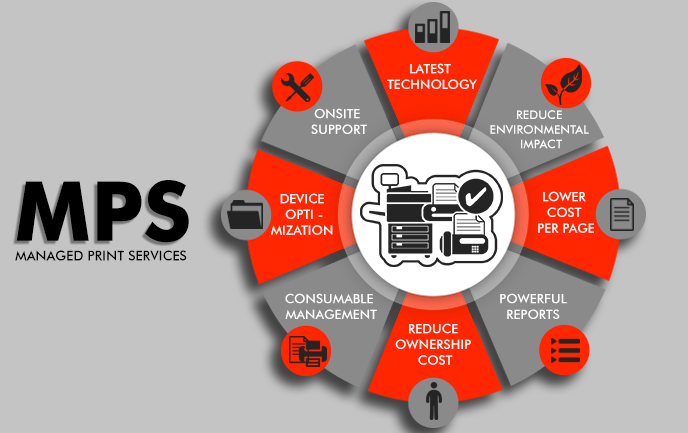
The Managed Print Services (MPS) market is experiencing substantial growth, primarily fueled by the increasing need for operational efficiency, cost reduction, and enhanced security in corporate print environments. As businesses contend with growing digital complexities and distributed workforces, the value proposition of outsourcing print management to specialized providers becomes increasingly compelling. This surge is not merely about managing printers but about optimizing entire document workflows, ensuring regulatory compliance, and aligning printing activities with broader sustainability goals. The strategic benefits, such as predictable costs, reduced IT burden, and improved data protection, are driving widespread adoption across various industry verticals. Understanding these core drivers is key to grasping the market's current trajectory and future potential. For a deeper dive into the factors fueling this expansion, the Managed Print Services Market Growth report provides comprehensive insights into market dynamics and future projections globally.
A significant driver of this market growth is the widespread adoption of digital transformation initiatives across industries. As organizations move towards paperless processes, MPS helps manage the transition by optimizing the remaining print needs and integrating them with digital workflows, rather than eliminating print entirely. The growing emphasis on data security and compliance, particularly in regulated industries, further boosts MPS demand, as providers offer robust solutions to protect sensitive information throughout the print lifecycle. Moreover, the increasing prevalence of remote and hybrid work models necessitates distributed print solutions, allowing employees to print securely and efficiently from any location while centralizing management and control. This flexibility is critical for business continuity and productivity in a modern work landscape.
However, rapid market expansion also brings forth several challenges that can impede the sustained growth of the MPS market. One primary impediment is the initial capital outlay or contractual commitment required for implementing comprehensive MPS, which can be a barrier for small and medium-sized enterprises (SMEs) with tighter budgets. There's also a perception among some organizations that MPS is only about reducing printer count, overlooking its broader benefits in workflow optimization and security, which can limit adoption. Additionally, the inherent complexity of integrating MPS solutions with existing IT infrastructure and managing vendor relationships can present operational hurdles. Cultural resistance to changes in printing habits within an organization also poses a challenge to achieving the full potential benefits of MPS.
Looking ahead, the MPS market is poised for continued robust growth, driven by ongoing technological advancements and evolving business needs. The integration of advanced analytics and artificial intelligence (AI) will enable more sophisticated print usage monitoring, predictive maintenance, and proactive security threat detection. The shift towards cloud-based MPS solutions will offer greater scalability, flexibility, and remote management capabilities, perfectly aligning with hybrid work models. Furthermore, the growing focus on environmental, social, and governance (ESG) criteria will drive demand for MPS providers who can offer demonstrably sustainable printing practices and help organizations achieve their green objectives, making sustainability a key differentiator and growth catalyst in the coming years.
Top Trending Reports:

 English
 Arabic
 French
 Spanish
 Portuguese
 Deutsch
 Turkish
 Dutch
Dutch
 Italiano
 Romaian
 Portuguese (Brazil)
 Greek
Greek