


The Modern Workspace: A Primer on End-user Computing Technology
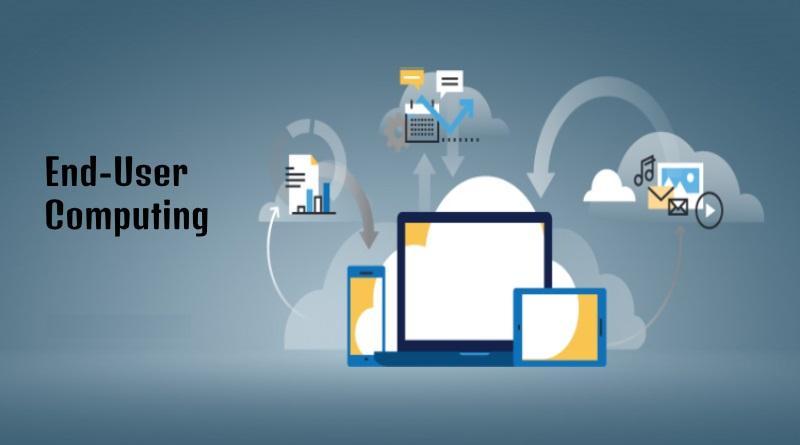
In an era where work is no longer a place but an activity, businesses are fundamentally rethinking how they deliver IT services to their employees. This paradigm shift has given rise to a critical set of technologies and strategies known as End-user Computing (EUC). At its core, EUC is an approach that focuses on providing employees with secure, consistent, and seamless access to the applications and data they need to be productive, regardless of their location, device, or network. Instead of managing individual physical desktops, EUC centralizes the management of user workspaces in the data center or the cloud. This strategy not only enhances security and simplifies IT administration but also empowers the modern, mobile workforce with the flexibility and tools they need to succeed in a digital-first world, making EUC a cornerstone of the modern enterprise.
The EUC ecosystem is composed of several key technological components that work together to deliver a virtual workspace. The most established of these is Virtual Desktop Infrastructure (VDI), where a user's desktop operating system, like Windows 10 or 11, runs on a virtual machine in a central server. Desktop-as-a-Service (DaaS) is the cloud-based evolution of VDI, where a third-party provider hosts and manages the entire infrastructure, offering the virtual desktop as a subscription service. Application virtualization is another crucial element, which isolates applications from the underlying operating system and streams them to the user's device on demand. This allows IT to manage and update applications centrally without having to install them on every single endpoint. These technologies form the building blocks of a flexible and scalable EUC environment, catering to diverse user needs and business requirements.
The benefits of adopting an EUC strategy are compelling and multifaceted, addressing key challenges faced by modern IT departments. Centralizing desktops and applications dramatically enhances security. Since all the data resides in the secure data center or cloud rather than on potentially vulnerable endpoint devices, the risk of data loss from a stolen or compromised laptop is significantly mitigated. Management is also greatly simplified. Instead of patching, updating, and troubleshooting thousands of individual physical PCs, IT administrators can manage a few "golden images" of the desktop operating system and applications, pushing updates to all users simultaneously. This centralization leads to significant cost savings in terms of IT labor, reduced hardware refresh cycles, and lower energy consumption, delivering a strong return on investment for the organization.
The evolution of End-user Computing is intrinsically linked to the broader trends of digital transformation and the future of work. The sudden and massive shift to remote work catalyzed by the global pandemic accelerated EUC adoption from a niche technology to a mainstream necessity. It provides a secure and scalable solution for enabling a distributed workforce, ensuring business continuity in the face of disruption. As businesses continue to embrace hybrid work models, the flexibility offered by EUC will remain critical. It allows employees to have the same work experience whether they are in the office, at home, or on the road, using a corporate-issued laptop, a personal tablet, or even a thin client. In this new era, EUC is not just about IT efficiency; it is a strategic enabler of a more agile, resilient, and employee-centric organization.
Top Trending Reports:
Location Based Vr Market Share

 English
 Arabic
 French
 Spanish
 Portuguese
 Deutsch
 Turkish
 Dutch
Dutch
 Italiano
 Romaian
 Portuguese (Brazil)
 Greek
Greek