


The Immersive Revolution: Understanding the Core of Virtual Reality in Retail
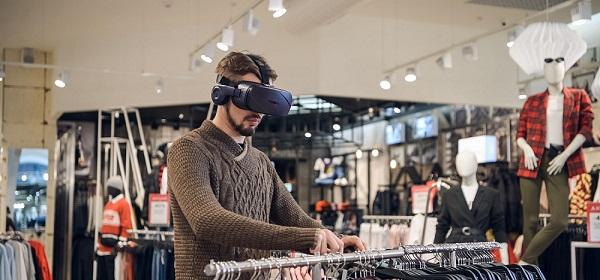
The retail landscape is in a constant state of evolution, with technology paving the way for more engaging and personalized customer interactions. A key innovation at the forefront of this change is Virtual Reality in Retail, a transformative technology that uses VR headsets to transport customers into fully immersive, simulated shopping environments. This goes far beyond the flat, two-dimensional experience of a standard e-commerce website. The core principle of VR in retail is to bridge the gap between the convenience of online shopping and the rich, sensory experience of being in a physical store. By allowing customers to walk through virtual showrooms, interact with 3D product models, and experience a brand's world in a deeply personal way, VR offers a powerful new channel for driving engagement, boosting purchase confidence, and building lasting brand loyalty in a digitally saturated marketplace. This technology is not just changing how we shop; it is redefining the very nature of the customer journey from start to finish.
So, why are retailers so keen to adopt virtual reality? The answer lies in the ongoing challenge of capturing the attention of the modern, digitally-native consumer. Today's shoppers are not just looking for products; they are seeking experiences. VR provides a unique and powerful solution to this by solving the "imagination gap" inherent in online shopping. For instance, it allows a customer to visualize a new sofa in their home at a true 1:1 scale or to understand the complex features of a new car by exploring it from the inside out. This ability to "try before you buy" in a virtual context significantly reduces purchase anxiety and has been shown to lower product return rates. Moreover, VR enables brands to create profound emotional connections through immersive storytelling. A clothing brand can transport a user to a virtual fashion show in Paris, or an outdoor gear company can let a customer experience the thrill of a mountain climb, creating a memorable and impactful brand experience that a simple advertisement could never achieve.
It is important to distinguish Virtual Reality (VR) from its sibling technologies, Augmented Reality (AR) and Mixed Reality (MR), all of which fall under the umbrella of Extended Reality (XR). While often discussed together, they serve different functions in a retail context. AR technology overlays digital information or objects onto the user's real-world view, typically through a smartphone camera. A great example is using an app to see how a virtual piece of furniture looks in your actual living room. VR, on the other hand, is a fully immersive experience that completely replaces the user's real-world surroundings with a computer-generated environment, requiring a headset. This allows for the creation of entire virtual worlds, such as a complete digital flagship store or a fantasy brand environment. While AR is excellent for quick, contextual product visualization, VR offers a much deeper, more controlled, and more engaging level of immersion, making it ideal for comprehensive brand storytelling and detailed product exploration.
The widespread adoption of VR in retail is intrinsically linked to the accessibility and advancement of the necessary hardware. In the early days, VR was limited to expensive, high-end headsets that needed to be tethered to powerful PCs, confining its use to niche in-store demonstrations. However, the market has been revolutionized by the arrival of powerful, affordable, and wireless standalone headsets like the Meta Quest series. These devices have lowered the barrier to entry for consumers, making it feasible for them to access high-quality VR experiences from the comfort of their own homes. As this hardware becomes even more lightweight, comfortable, and visually impressive, the consumer user base will continue to grow. This expansion is a critical enabling factor, transforming VR from a novelty marketing gimmick into a viable and scalable at-home e-commerce channel that retailers can leverage to reach a global audience with immersive shopping experiences.
Explore More Like This in Our Regional Reports:

 English
 Arabic
 French
 Spanish
 Portuguese
 Deutsch
 Turkish
 Dutch
Dutch
 Italiano
 Romaian
 Portuguese (Brazil)
 Greek
Greek